
Artificial Intelligence (AI) is no longer just a buzzword — it has quietly become part of our daily lives. From voice assistants that respond to our commands to recommendation systems that guide what we watch, read, or buy, AI is reshaping the modern world faster than ever before. But what does the future of AI hold for everyday life? Let’s explore how this revolutionary technology is set to transform how we live, work, and interact.
🌍 AI in Daily Living
AI already powers many of the tools we rely on every day. Smartphones use AI for facial recognition and predictive text, while streaming platforms like Netflix and Spotify use AI algorithms to recommend content that matches our tastes. In the future, AI will become even more personalized — anticipating needs before we even express them.
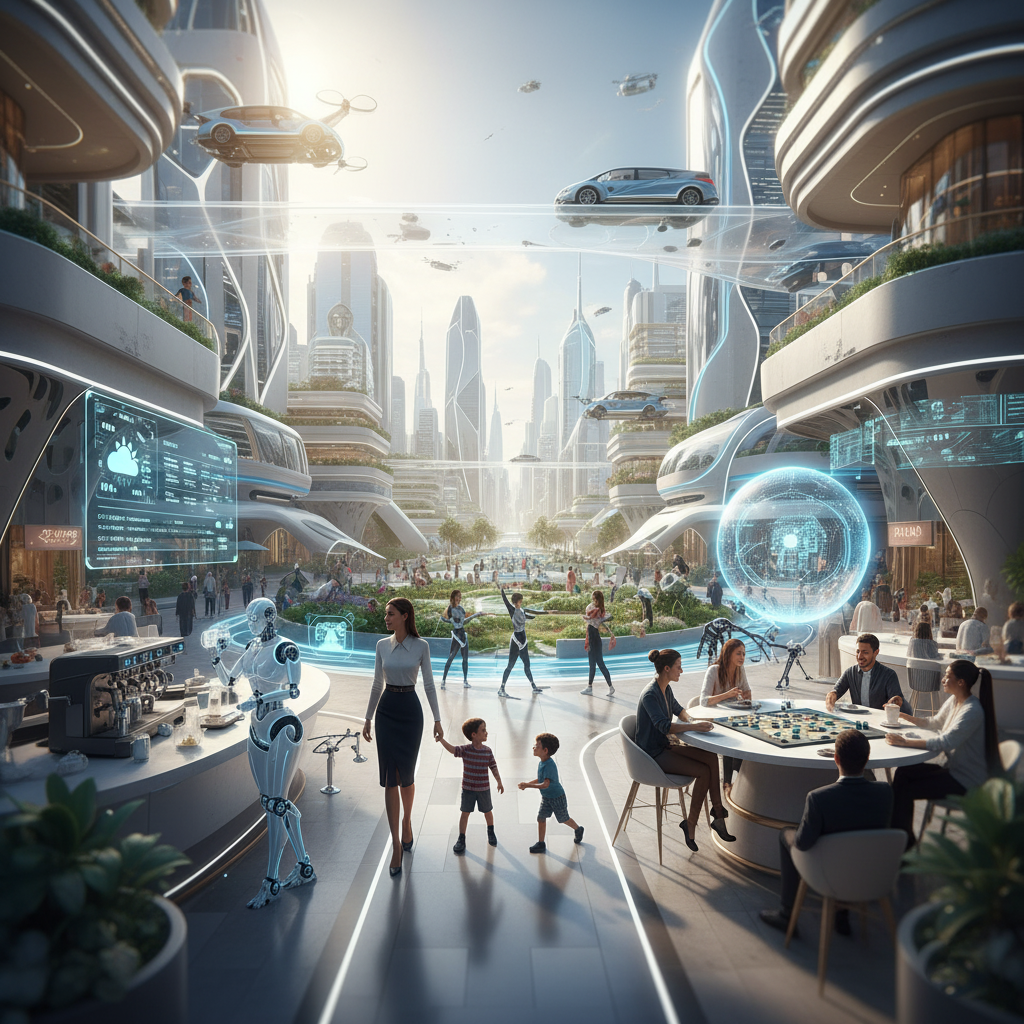
Imagine waking up to a home that automatically adjusts lighting and temperature based on your preferences, prepares your morning playlist, and brews your coffee — all powered by AI-driven automation systems.
🏥 AI in Healthcare
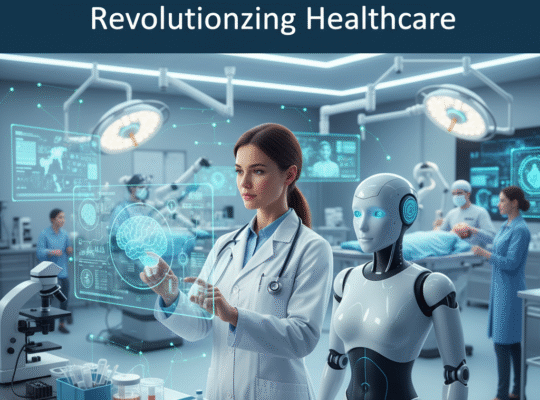
The healthcare sector is one of the biggest beneficiaries of AI innovation. AI algorithms can already detect diseases such as cancer or diabetes from medical images with accuracy comparable to human doctors. In the coming years, AI will help predict illnesses before symptoms even appear, allowing preventive care rather than reactive treatment.
Virtual health assistants will guide patients through medication schedules, while AI-powered wearables will continuously monitor vital signs — giving doctors real-time data to make better decisions.
💼 AI in Business and Work
AI is transforming how companies operate. From automating repetitive tasks to analyzing massive data sets, AI helps businesses make smarter and faster decisions. Chatbots handle customer queries instantly, while AI analytics tools identify trends that humans might miss.
In the near future, AI will collaborate with human employees — not replace them. Routine work will be automated, freeing people to focus on creativity, strategy, and innovation. New roles such as “AI trainers,” “data ethicists,” and “machine learning auditors” will become common.
🚗 AI in Transportation
Self-driving cars and smart traffic systems are becoming reality. AI can optimize routes, prevent accidents, and even reduce fuel consumption by analyzing road and weather conditions. Public transportation systems are also using AI to predict demand and manage schedules efficiently.
In the next decade, fully autonomous vehicles may redefine how we think about ownership — turning cars into shared, intelligent transportation solutions.
🏠 AI in Smart Homes
The concept of a “smart home” will soon evolve into an intelligent environment. AI will connect every device — from refrigerators to security systems — allowing seamless coordination. Your home will learn from your behavior, ensuring safety, efficiency, and comfort without needing constant input.
For instance, AI could automatically lock doors, turn off unused appliances, and send alerts if unusual activity is detected.
📚 AI in Education
AI is transforming the way students learn. Intelligent tutoring systems can personalize lessons based on each student’s learning speed and style. Teachers can use AI-driven analytics to identify which areas students struggle with and adjust their teaching methods accordingly.
In the future, virtual classrooms powered by AI will make education accessible globally, regardless of location or financial limitations.
⚖️ The Ethical Side of AI
As AI becomes more powerful, ethical challenges also arise. Concerns about privacy, bias in algorithms, and job displacement need serious attention. Transparent policies and ethical AI development are essential to ensure that technology benefits everyone equally.
🚀 The Road Ahead
The future of Artificial Intelligence is full of promise. It will make our lives more convenient, efficient, and connected. Yet, the true potential of AI lies not in replacing humans — but in empowering them.
By embracing AI responsibly, we can create a future where technology enhances human abilities, improves quality of life, and drives global progress.
✨ Final Thoughts
AI is no longer science fiction — it’s the foundation of the next era of human advancement. From healthcare to education, from homes to highways, AI is set to touch every corner of our existence. The key is to use it wisely, ethically, and creatively.
The future of AI in everyday life is not just about machines — it’s about a smarter, better world for everyone.