
In today’s fast-paced world, stress has become a part of everyday life. Whether it’s work pressure, family responsibilities, or financial worries, everyone experiences stress in some form. While it’s impossible to eliminate stress completely, it is possible to manage it naturally — without relying on medication.
Here are effective and science-backed ways to reduce stress naturally, helping you feel calm, balanced, and in control.
1. Practice Deep Breathing
Deep breathing is one of the simplest and most powerful techniques to calm the mind. When you take slow, deep breaths, it sends a message to your brain to relax and reduces the body’s stress hormone, cortisol.
Try this:
-
Inhale slowly through your nose for 4 seconds.
-
Hold for 4 seconds.
-
Exhale through your mouth for 4 seconds.
Repeat for 5 minutes daily.
In short: Deep breathing helps slow your heart rate, clear your mind, and instantly reduce tension.
2. Exercise Regularly
Physical activity is a natural stress reliever. It increases the production of endorphins — the “feel-good” hormones — which improve mood and reduce anxiety. You don’t have to go to the gym; even walking, jogging, or yoga can help.
Just 20–30 minutes of exercise daily can lift your mood, boost energy, and reduce stress levels significantly.
3. Spend Time in Nature
Nature has a calming effect on the mind. Spending time outdoors, even for 15–20 minutes a day, can lower blood pressure, slow heart rate, and improve mood.
Take a walk in the park, sit near trees, or enjoy sunlight — it helps your body produce vitamin D, which also supports mental well-being.
In short: Nature heals the mind and restores emotional balance.
4. Get Enough Sleep
Lack of sleep is one of the biggest triggers of stress. When you’re tired, your brain struggles to cope with challenges, making even small problems feel overwhelming.
Aim for 7–8 hours of quality sleep each night. Go to bed early, avoid screens before bedtime, and create a calm, dark sleep environment.
A well-rested mind is better equipped to handle life’s pressures calmly.
5. Eat a Balanced Diet
What you eat affects how you feel. Processed foods, sugar, and caffeine can worsen stress, while fresh fruits, vegetables, nuts, and whole grains promote relaxation.
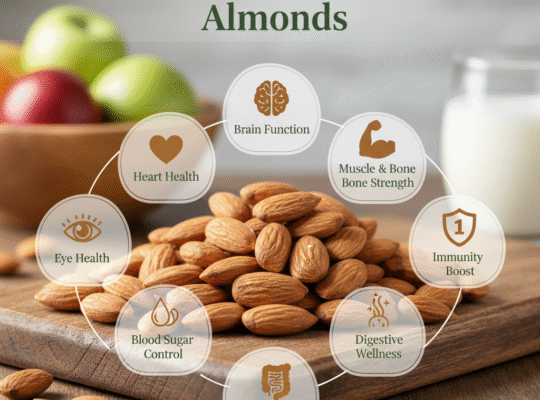
Include foods rich in magnesium (like almonds and spinach) and omega-3 fatty acids (like salmon and flaxseeds) — they naturally reduce anxiety and inflammation.
Healthy food = a healthy mind.
6. Practice Mindfulness or Meditation
Mindfulness means focusing on the present moment — without worrying about the past or future. Meditation helps you observe your thoughts calmly and reduces emotional reactivity.
You can start with guided meditations or simple breathing awareness for 10 minutes daily. Over time, it improves focus, inner peace, and emotional strength.
Meditation trains your mind to stay calm even in stressful situations.
7. Limit Screen Time and Digital Overload
Constant notifications, emails, and social media can overstimulate your brain and increase stress. Try to take digital breaks — especially before bedtime.
Use the “Do Not Disturb” mode, avoid doom-scrolling, and spend more time engaging in real-life activities.
Disconnecting from screens helps you reconnect with yourself.
8. Stay Connected with Loved Ones
Talking to friends or family can instantly reduce feelings of stress and loneliness. Emotional support builds resilience and helps you see problems from a different perspective.
If you can’t meet in person, even a phone or video call can make a big difference.
Sharing your worries cuts them in half.
9. Practice Gratitude Daily
Gratitude shifts your focus from what’s wrong to what’s right in your life. It helps train your mind to appreciate small joys and reduces negative thinking.
You can write three things you’re thankful for each morning or before bed.
Gratitude doesn’t change your situation — it changes your mindset.
10. Do Activities You Enjoy
Engaging in hobbies like reading, painting, cooking, gardening, or music helps your brain relax. Creative activities activate the “pleasure center” in your brain and reduce stress hormones.
Doing what you love is the simplest form of therapy.
11. Stay Hydrated and Limit Caffeine
Dehydration increases cortisol levels and makes you feel tired and irritable. Drink enough water throughout the day. Also, try to reduce caffeine intake — too much coffee can cause restlessness and disturb sleep.
Replace your second coffee with herbal tea for a calmer day.
12. Maintain a Positive Routine
A structured daily routine gives a sense of control and stability, reducing stress and confusion. Wake up early, plan your day, and prioritize tasks calmly instead of rushing.
Balance and consistency keep the mind peaceful.
Conclusion
Reducing stress naturally is not about doing one big thing — it’s about making small, consistent changes every day.
By practicing mindfulness, eating well, exercising, sleeping early, and connecting with others, you can build emotional strength and inner peace without relying on medication.