
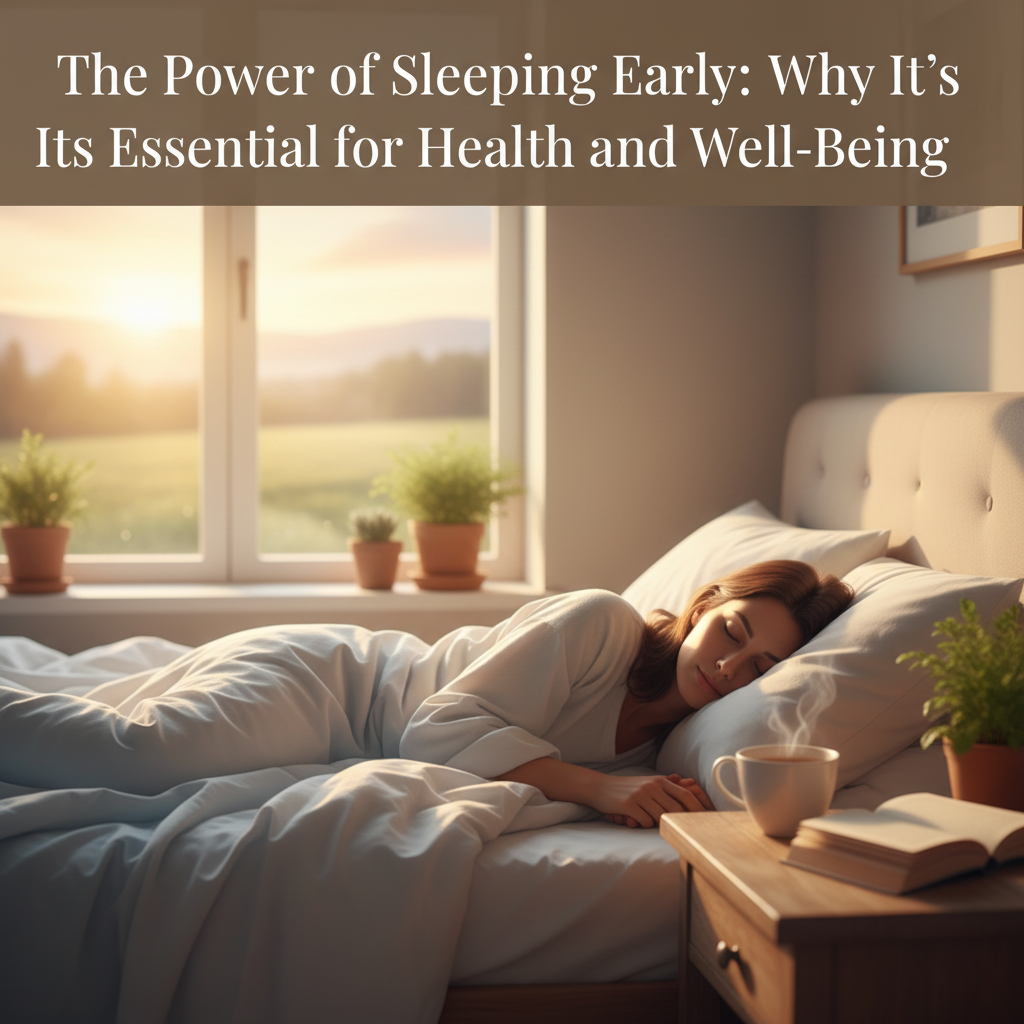
In today’s fast-paced world, good sleep has become one of the most neglected aspects of health. Many people stay up late scrolling through phones, working, or watching shows, unaware of how deeply it affects their body and mind. Going to bed early is not just a routine—it’s a powerful habit that influences your physical health, emotional balance, and overall productivity.
This article explores the importance of sleeping early, how diet affects your sleep, and the impact of late nights on the body’s natural functions.
1. Why Going to Bed Early Matters
Better Sleep Quality
Sleeping early allows your body enough time to rest, repair, and restore energy. It helps maintain the body’s natural rhythm, ensuring deeper and more refreshing sleep.
More Energy in the Morning
When you sleep early and wake up on time, your body feels recharged. You start your day feeling fresh, active, and mentally alert.
Improved Brain Function
An early bedtime improves focus, memory, and decision-making. Your brain processes and organizes information more effectively after a proper night’s sleep.
Stronger Immunity
Adequate sleep strengthens the immune system, helping your body fight off infections and illnesses more effectively.
Healthy Growth
For children and young adults, early sleep supports proper growth and hormonal balance, aiding development and learning.
Better Mood
People who sleep early tend to feel happier, calmer, and less stressed. Proper rest stabilizes mood and reduces irritability.
Productive Routine
A consistent sleep schedule promotes discipline. Going to bed and waking up early improves time management and overall productivity.
In short: Going to bed early makes you healthier, happier, and more energetic.
2. Benefits for Students
Early sleep is especially important for students who need focus and mental clarity.
Better Focus: A fresh mind in the morning helps with better concentration during classes.
Good Memory: Proper sleep strengthens memory retention, making it easier to remember what was studied.
Healthy Body: Adequate rest prevents fatigue and supports overall growth.
Less Stress: Sleeping early reduces anxiety and keeps the mind calm.
More Energy: Waking up refreshed provides energy for learning and physical activities.
In short: Early sleep helps students stay active, focused, and smart in their studies.
3. The Science Behind Sleeping Late
Our body follows a biological clock known as the circadian rhythm. This internal system regulates hormones and body functions in a 24-hour cycle. When we sleep late, this natural rhythm gets disturbed, causing several imbalances:
Reduced Melatonin
Melatonin, known as the “sleep hormone,” is mainly produced between 10 p.m. and 2 a.m. Sleeping late reduces its production, making sleep lighter and less restorative.
Increased Cortisol
Cortisol, the “stress hormone,” rises when you stay awake late. High cortisol levels cause anxiety, fatigue, and even weight gain.
More Ghrelin, Less Leptin
Ghrelin increases hunger, while leptin signals fullness. Sleeping late increases ghrelin and decreases leptin, making you crave more food and overeat.
Decreased Growth Hormone
The body releases growth hormone during deep sleep. Late nights limit this process, slowing down cell repair, growth, and recovery.
In simple words: Sleeping late reduces beneficial hormones (melatonin, growth hormone, leptin) and increases harmful ones (cortisol, ghrelin), leading to stress, poor health, and weight gain.
4. How Nighttime Eating Affects Sleep
Eating Too Many Sweets
Consuming sweets at night rapidly raises blood sugar, giving a temporary energy boost that makes it hard to fall asleep. The sudden rise and fall in blood sugar can also lead to restless dreams and frequent awakenings.
In simple words: Avoid sugary foods before bed—they make sleep light and restless.
Eating Spicy Foods
Spicy meals increase body temperature and can cause acidity or heartburn, making it difficult to relax and fall asleep comfortably.
In simple words: Spicy foods at night can cause indigestion and disturb deep sleep.
Eating Fried or Fast Foods
Heavy, oily, or fried foods take longer to digest, leading to bloating, acidity, and discomfort. Over time, they can cause obesity and sleep disorders like sleep apnea.
In simple words: Eating junk or fried foods at night results in poor-quality sleep and long-term health issues.
5. The Health Risks of Fried Foods
Fried food doesn’t only disturb your sleep—it affects your vital organs too.
Heart: Fried foods contain unhealthy trans fats that raise cholesterol levels and increase the risk of heart disease.
Liver: Excess oil puts strain on the liver, leading to fat accumulation and fatty liver disease.
Stomach: Fried foods are hard to digest and can cause gas, acidity, and ulcers.
Summary: Too much fried food weakens the heart, damages the liver, and harms the stomach. Consume such foods sparingly.
6. Sleeping Late and Premature Aging
Sleeping late can make you age faster. When the body doesn’t get enough rest, it cannot repair cells properly. This leads to:
Skin Issues: Wrinkles, dull skin, and dark circles.
Hormonal Imbalance: Disruption in hormone levels accelerates aging.
Weakened Immunity: The body becomes more vulnerable to diseases.
Mental Fatigue: Increased pressure on the brain leads to stress and tiredness.
Simply put: Early sleep helps you stay young, fresh, and healthy.
7. The Ideal Sleep Schedule
For good health, aim to sleep by 10:00 or 10:30 p.m. and wake up by 5:00 a.m. This schedule aligns perfectly with the body’s natural rhythm and promotes balance between mind and body.
In a world filled with stress, screens, and noise, early sleep acts as your natural reset button—restoring energy, improving focus, and protecting your health.
Conclusion
Sleeping early is not just about rest—it’s about renewal.
When you sleep early, your body heals, your mind clears, and your emotions balance. Avoid sugary, spicy, or fried foods at night, follow a consistent sleep routine, and respect your body’s natural clock.
Remember: Going to bed early is one of the simplest yet most powerful habits for a longer, healthier, and happier life.